
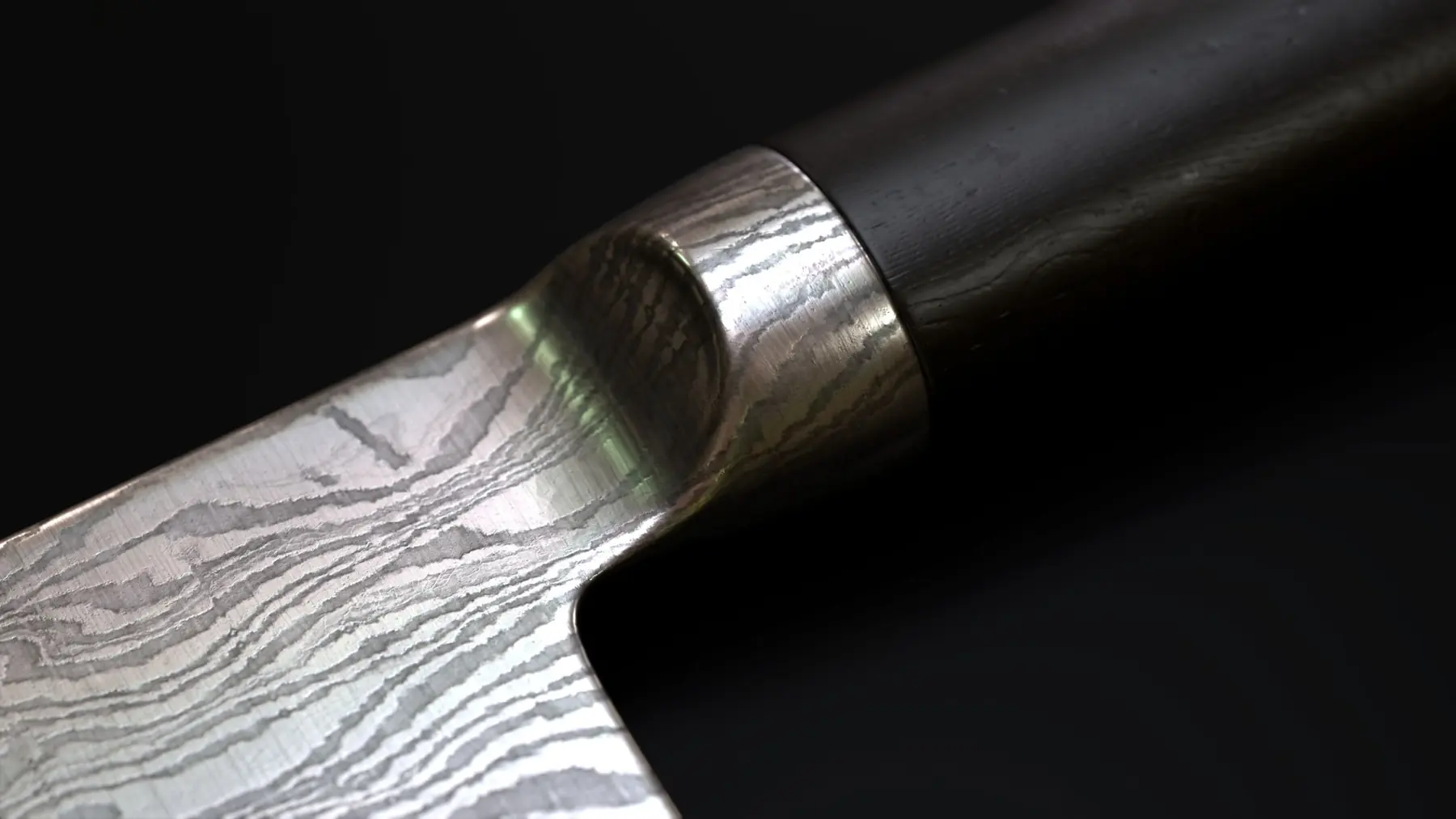
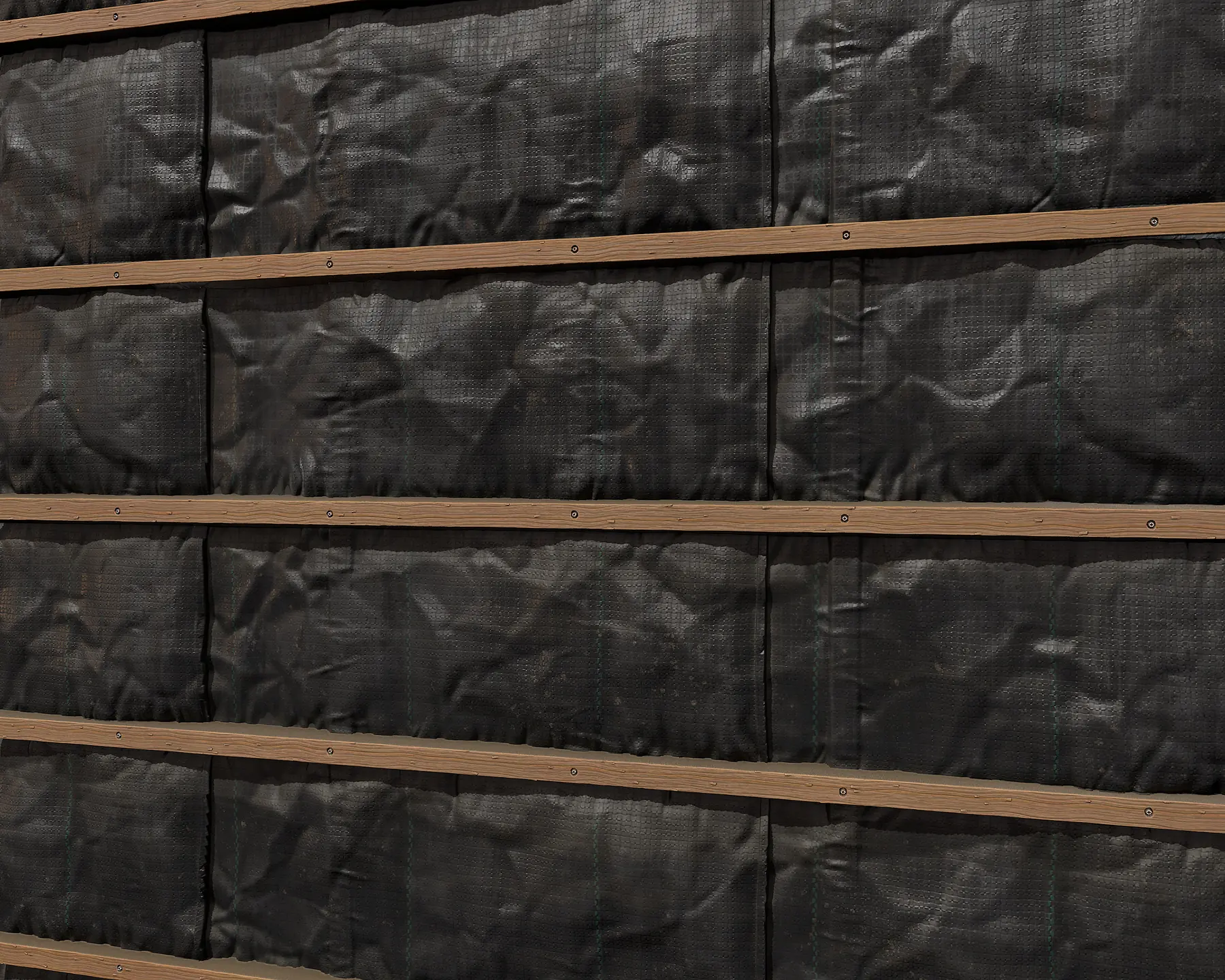

Existing-material fix or cleanup
EUR 150-3002-5 production hours
Seam cleanup, map correction, channel packing, scan cleanup or a tightly scoped adaptation of an existing graph.
Price and turnaround
A simple material may take a few hours. A normal production material usually takes about half a day to one and a half days. Complex hero surfaces and reusable systems take longer.
Relevant visual proof
Fixed-scope planning
These ranges assume clear references, an agreed map set, one review owner and consolidated feedback. They are planning ranges rather than mandatory package prices.
Seam cleanup, map correction, channel packing, scan cleanup or a tightly scoped adaptation of an existing graph.
A familiar surface with clear references, limited procedural complexity and an agreed standard map set.
One reference-led tileable or asset-specific material with an agreed map set, normal detail requirements and one consolidated revision round.
Difficult structure, close-up detail, several interacting layers, unusual reference matching, high-resolution maps or more involved cleanup and validation.
A reusable graph with meaningful exposed controls, presets, parameter testing, organized source files and handoff notes.
A related set with shared output rules, staged reviews and production efficiencies. The final range follows the mix of simple, standard and complex surfaces.
Representative material, library specification, batch delivery, source standards and QA. A library is estimated from its actual category mix, not one flat per-material price.
Direct senior material support inside an existing pipeline. Best for changing priorities, reviews, R&D, shaders or mixed material tasks.
Rush delivery
Rush scheduling is available for a tightly scoped material when capacity allows. The expedited slot adds 25% to the project price. Final delivery still depends on feedback and approval timing.
What changes the quote
Resolution by itself is rarely the main cost driver. What matters is whether the material needs additional detail, cleanup, validation or source complexity to hold up at that resolution.
Production time vs delivery
Production time describes the hours actually required to build and check the material. Calendar delivery also includes the booked start date, review timing and client feedback. Once a slot is confirmed, a simple or standard material normally reaches its first review within 1-3 business days; a complex material normally reaches first review within 2-4 business days.
Which rate applies?
A fixed project price is normally better for a defined material or batch because the buyer knows the cost before work begins. The day rate is better for embedded support, changing task lists, R&D, shader work and live review cycles. The hourly rate is reserved for small assessments, repairs or work that cannot be estimated reliably in advance.
VAT, if applicable, is handled in the written quote. No private email address is published or required to use the budget planner.
Market context
Low-cost marketplaces currently advertise Substance Designer materials from roughly USD 10-150. Those listings can be useful for a simple generic surface, but the package may not include senior art direction, production testing, readable source files or studio-specific support. At the other end, outsourcing studios publish realistic PBR material ranges around USD 600-1,200, while broader 2026 recruitment data places freelance 3D design around GBP 300-500 per day.
This pricing sits between those markets: direct senior production without an agency layer, while keeping simple work priced like simple work.
Need a number now?