Buyer guide / 02
Procedural vs scanned materials.
Neither method wins by default. The right choice depends on whether the production needs measured surface evidence, controlled variation, repeatability or all three.
Relevant visual proof
The method changes; the surface still has to read correctly.
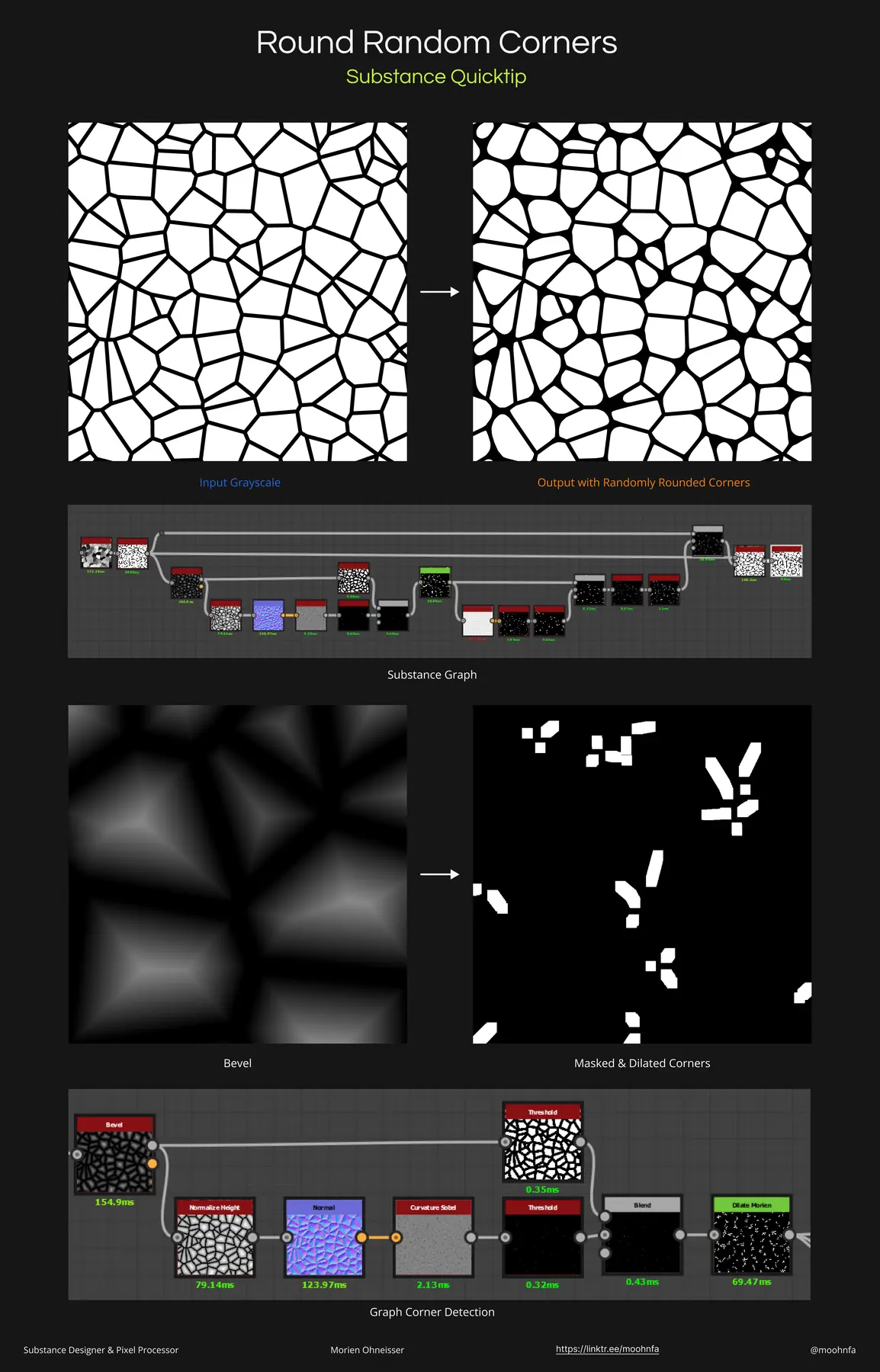
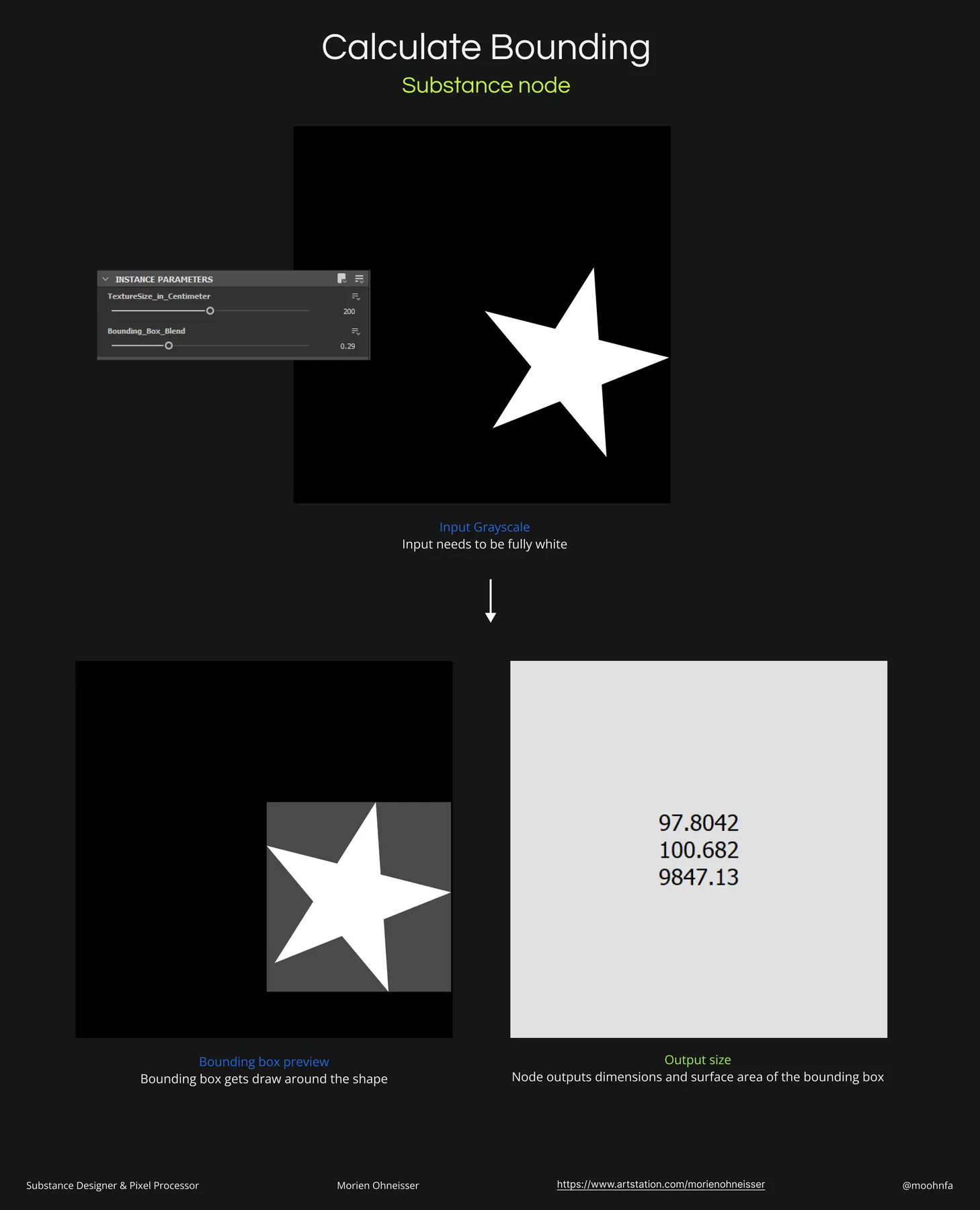
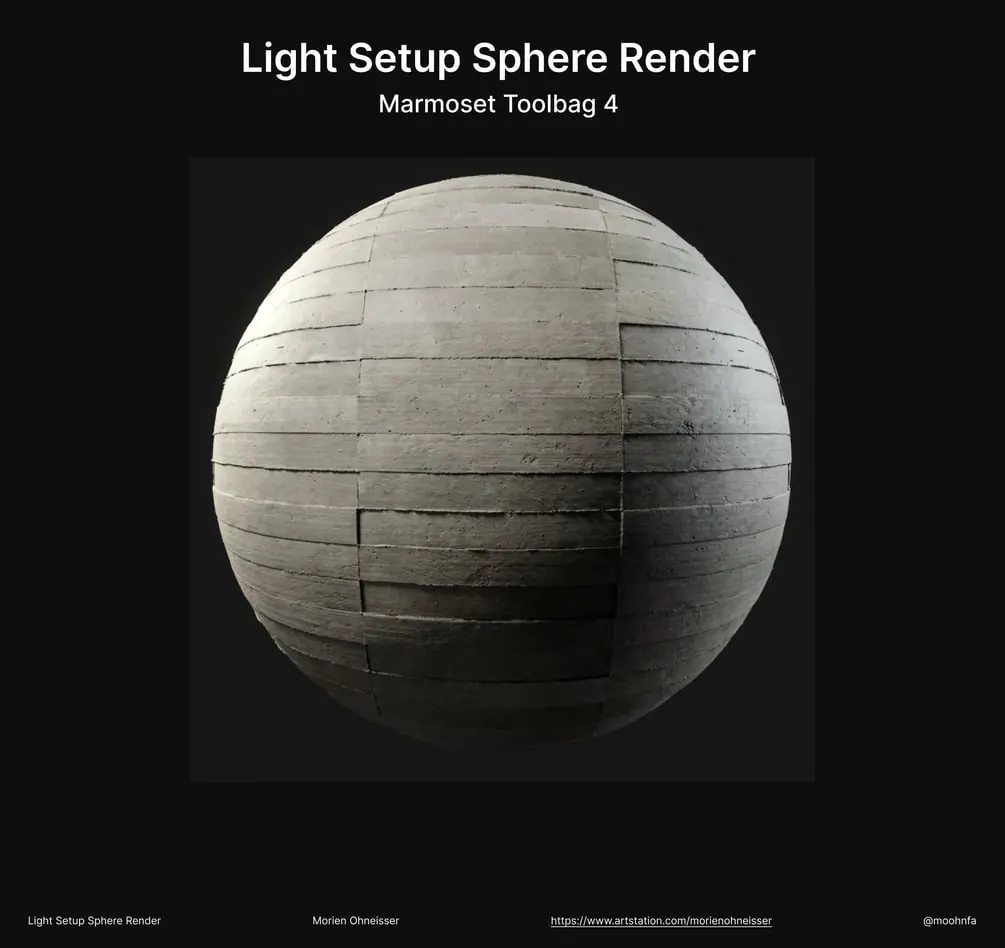
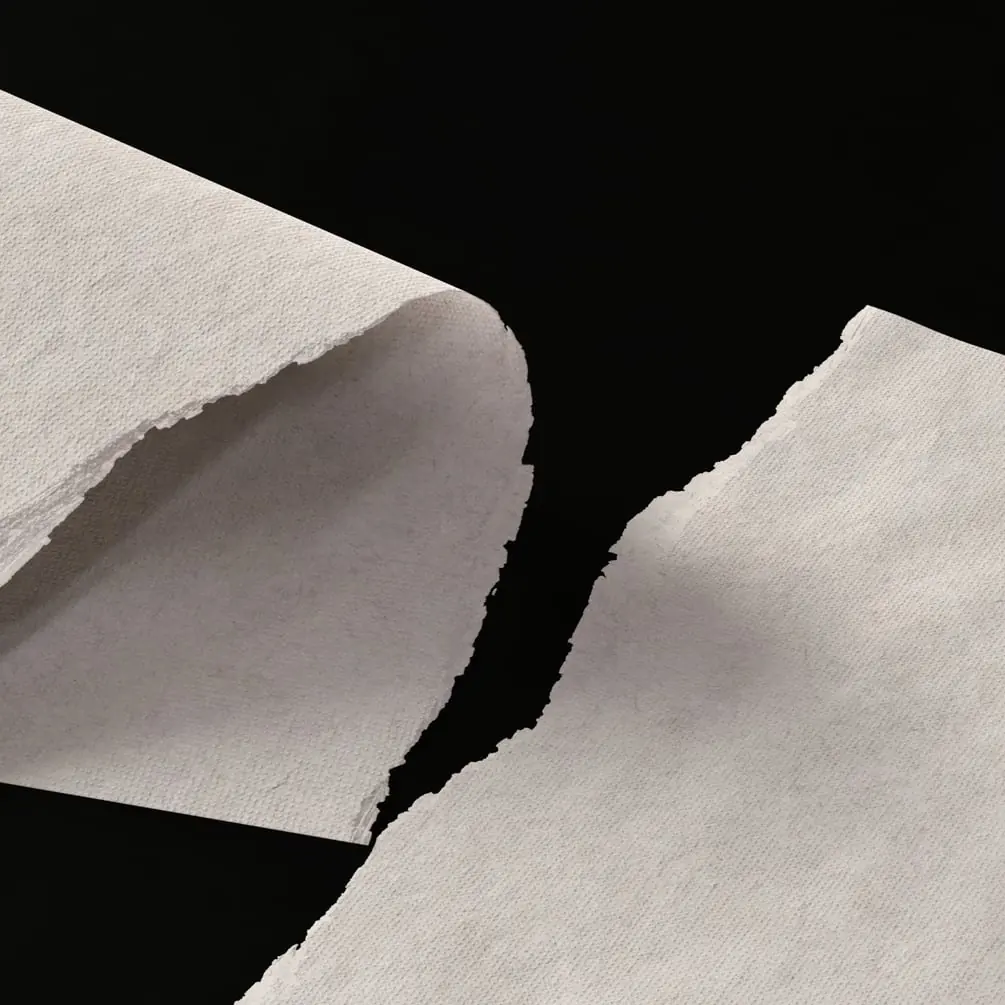
Best when the rules of the surface matter.
A procedural graph describes how a material changes. That is useful for brick bonds, fabric weaves, wood structure, layered coatings, terrain families and any surface that needs controlled variants.
- Art-directable scale, density, damage, color and pattern.
- Repeatable output across a material family.
- Editable source and reusable SBSAR delivery.
- No physical sample or capture setup required.
The risk is generic noise or overbuilt graphs. A good procedural material is organized around recognizable structure, not an accumulation of random variation.
Best when the exact physical surface is the evidence.
Capture can preserve irregular details and material response that are expensive to reconstruct by hand. It is especially useful when a representative sample is available and the required result should stay close to it.
- High-frequency detail grounded in a real specimen.
- Efficient capture of complex organic or manufactured variation.
- A strong basis for digital twins and reference matching.
Scans are not automatically production-ready. Lighting must be removed, maps balanced, scale established, seams repaired and repetitions controlled. Capture quality and sample access set the ceiling.
Often the production answer.
A scan can supply credible microstructure while a procedural system controls macro pattern, cleanup, tiling, variation and outputs. The combination is useful when realism must remain tied to a sample but the team still needs multiple finishes or scalable parameters.
Choose method after the target is clear.
Provide the target renderer, camera distance, physical scale, resolution, maps, source-file needs, variation count and available capture inputs. That information is more important than prescribing a technique before the material has been analyzed.
For production examples, see the Marmoset procedural material case study and the scan cleanup service context.
Have references or scan data?