Fashion · material services
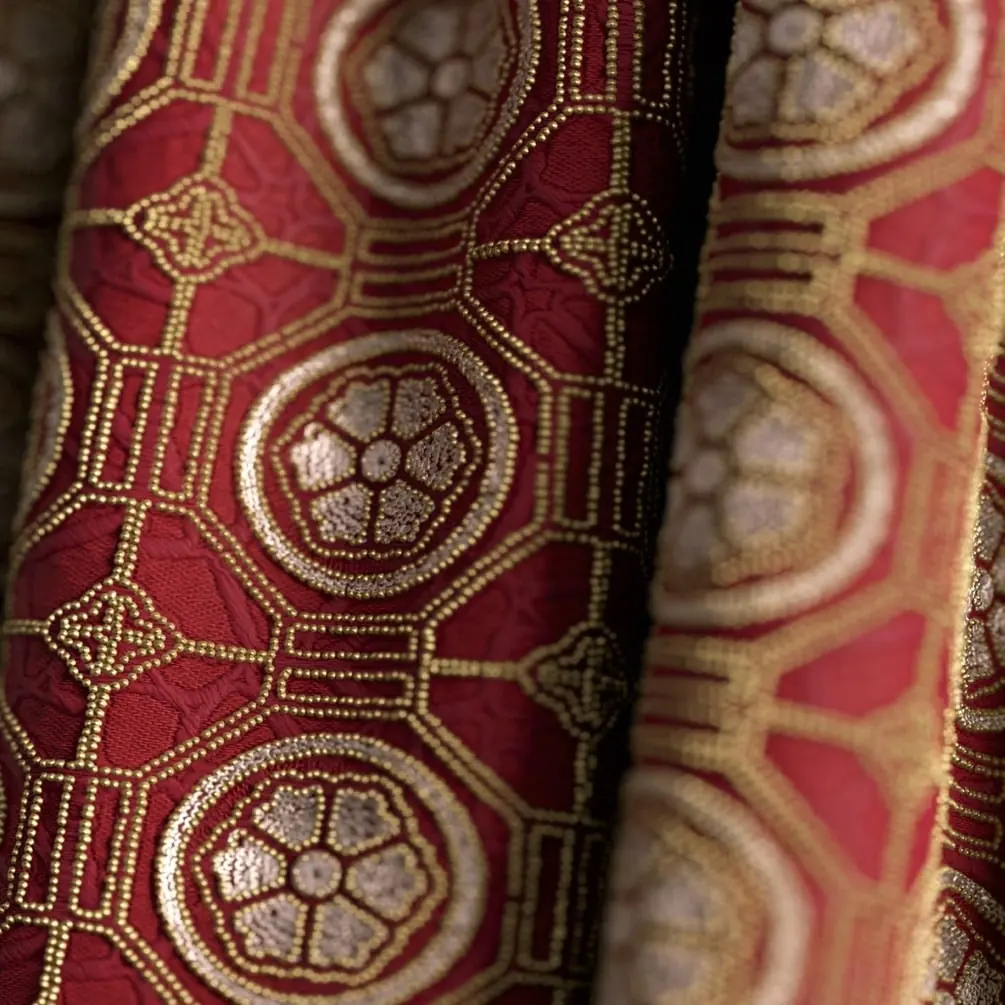
Procedural fabrics for digital fashion.
Fabric materials built around weave structure, yarn scale, fuzz, sheen and the target garment pipeline. Outputs can be delivered as maps, SBSARs or editable Designer graphs.
Discuss your production ↗Who hires me
- Digital-fashion teams
- Garment visualization studios
- Fashion brands and 3D-production teams
Typical material brief
- Woven, knitted and technical fabrics
- Leather and coated textiles
- Color and construction variants
- Reusable fabric generators
Production value
- Correct weave and detail scale
- Consistent variants across a collection
- Parameters that stay useful in production
Relevant visual proof
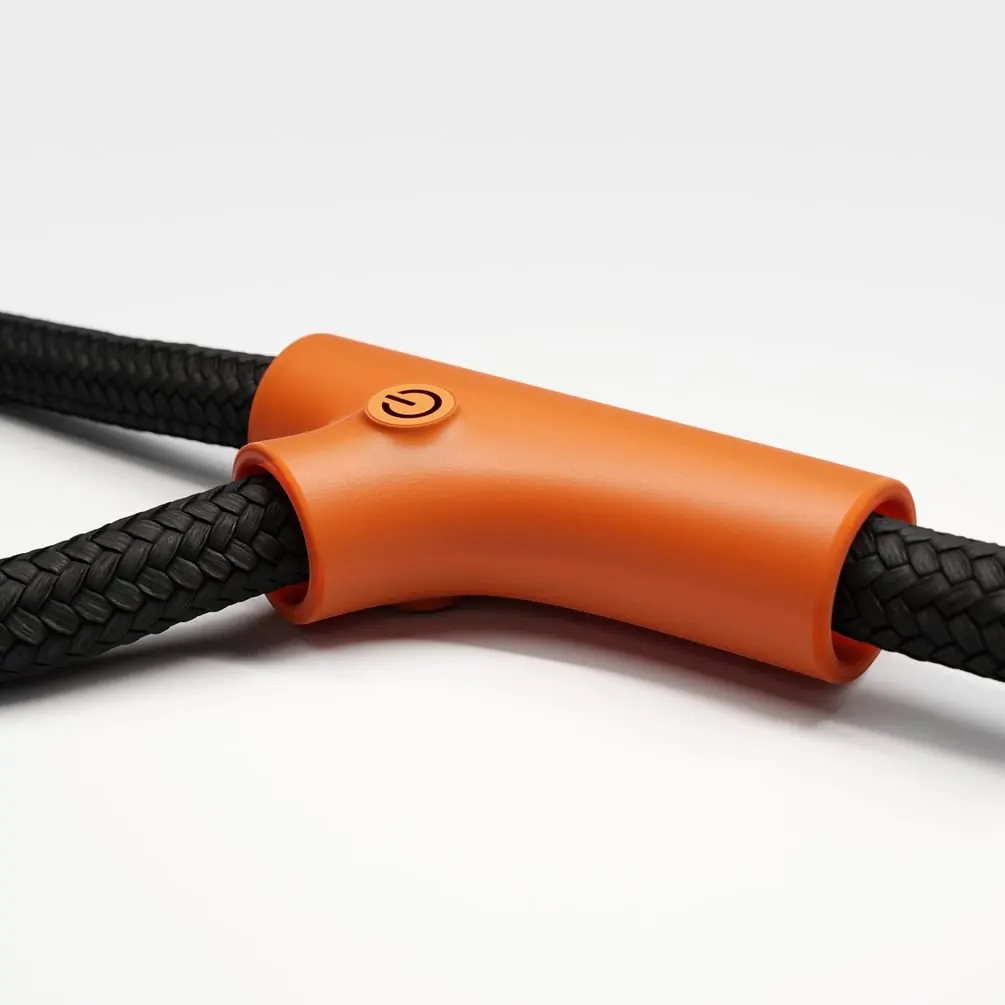
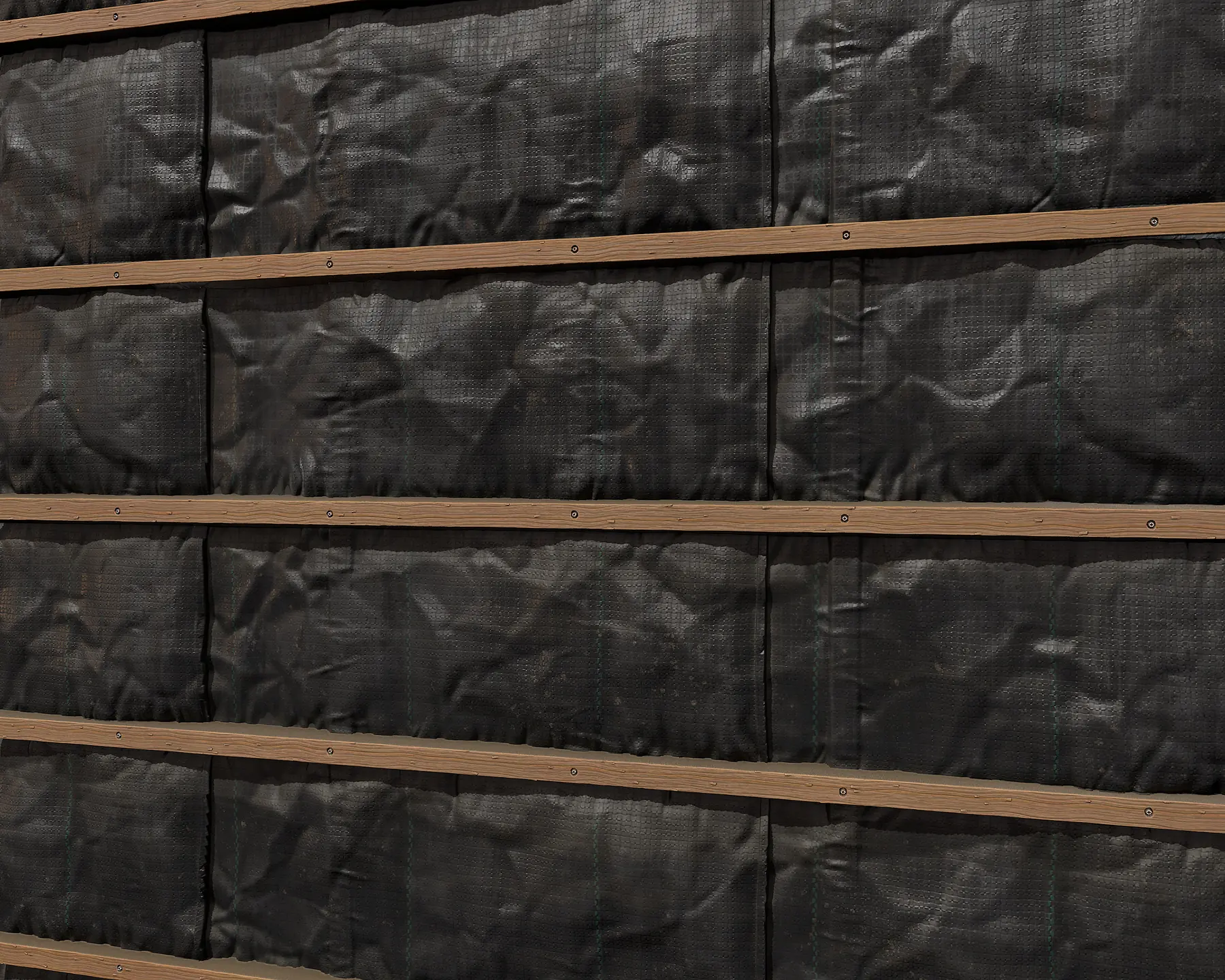
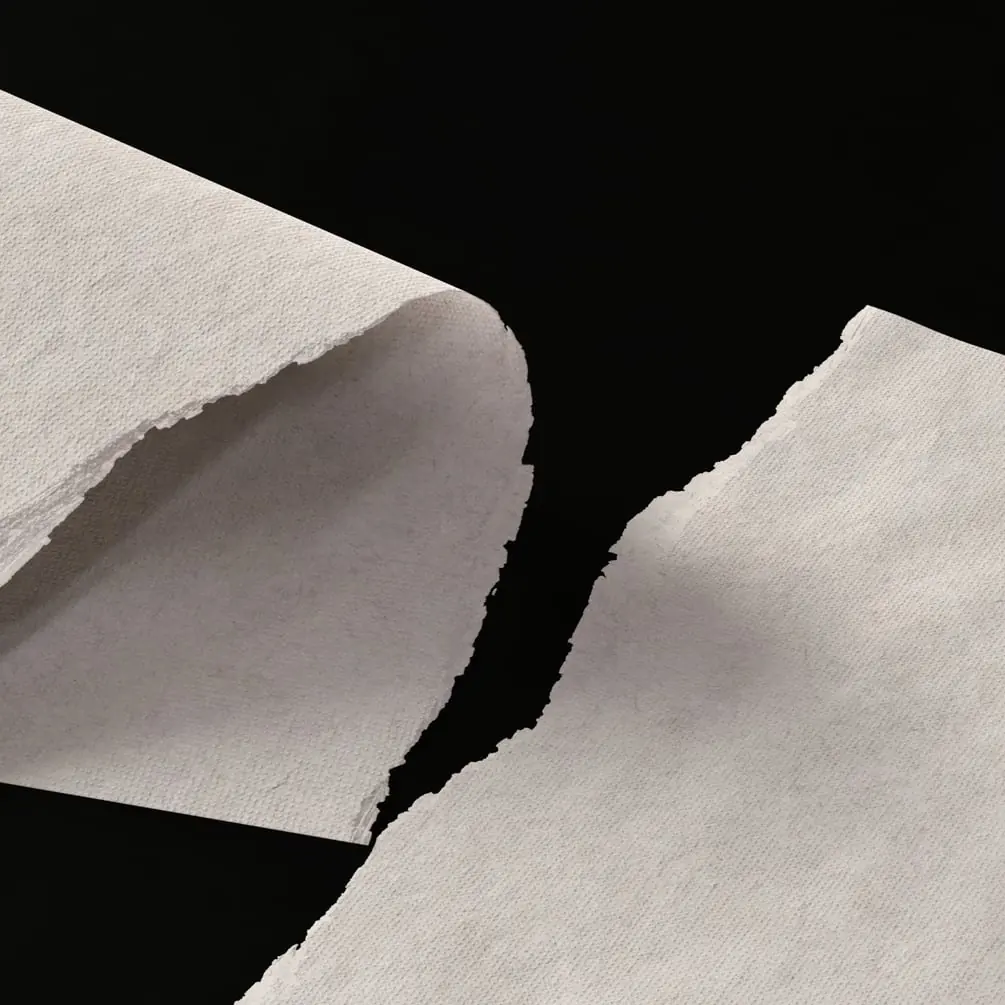
Material work relevant to fashion.
Production requirements
Constraints I scope before production.
- Weave, knit and yarn structure at garment scale
- Fuzz, sheen, translucency and normal response
- Colorway consistency across a collection
- CLO, Blender, Substance or downstream renderer requirements
Possible deliverables.
- Woven, knit, leather and technical-textile materials
- Tileable fabric PBR maps and editable Designer graphs
- SBSAR controls for yarn, weave, color and finish
- Materialways, colorways and garment-ready presets
Experience
Relevant production work.
I worked as a freelance digital-fashion texture artist for UNXD and have additional fashion-production experience.
Where client work is confidential, I describe the role and production area without naming the project.
Next decision
Define the test before scaling production.
For an external batch, choose one representative surface that includes the real visual target, technical constraints and handoff. It gives the team a concrete quality bar before scheduling the remaining materials.
Fashion material project